Proof of Reserve
BXBT is being structured around a long-term reserve architecture designed to integrate designated physical Red Beryl reserve assets into the future BXBT treasury ecosystem.
The objective of the BXBT reserve initiative is to bridge scarce physical mineral assets with transparent blockchain infrastructure, creating a uniquely aligned long-term ecosystem model centered around scarcity, transparency, and disciplined reserve development.
RESERVE OVERVIEW
RESERVE ASSET
Red Beryl Display Inventory
RESERVE ALLOCATION
BXBT Treasury Initiative
BLOCKCHAIN INFRASTRUCTURE
Solana
RESERVE STATUS
Strategic Accumulation Phase
FRAMEWORK
Future Proof-of-Reserve Development
Future Proof-of-Reserve Infrastructure
The BXBT ecosystem is committed to establishing a verifiable link between the physical Red Beryl designated treasury inventory and on-chain reporting. Future ecosystem development initiatives include:
- Blockchain-based reserve verification and cryptographic proof systems.
- Regular third-party digital asset inventory reconciliation.
- Transparent treasury allocation monitoring through smart contract infrastructure.
- Integration of professional gemstone documentation within the digital ecosystem.
Proof-of-Reserve systems remain under development and may evolve alongside the broader BXBT ecosystem.
BXBT Treasury Reserve Allocation
The following inventory represents the specifically designated Red Beryl reserve allocation currently associated with the future BXBT Treasury initiative.
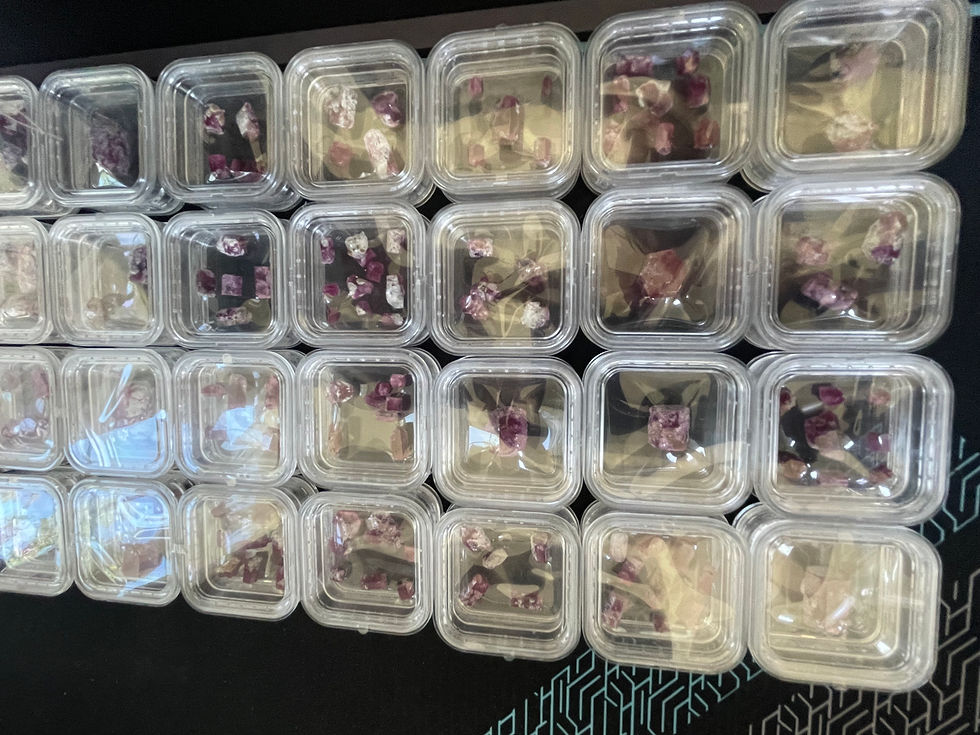
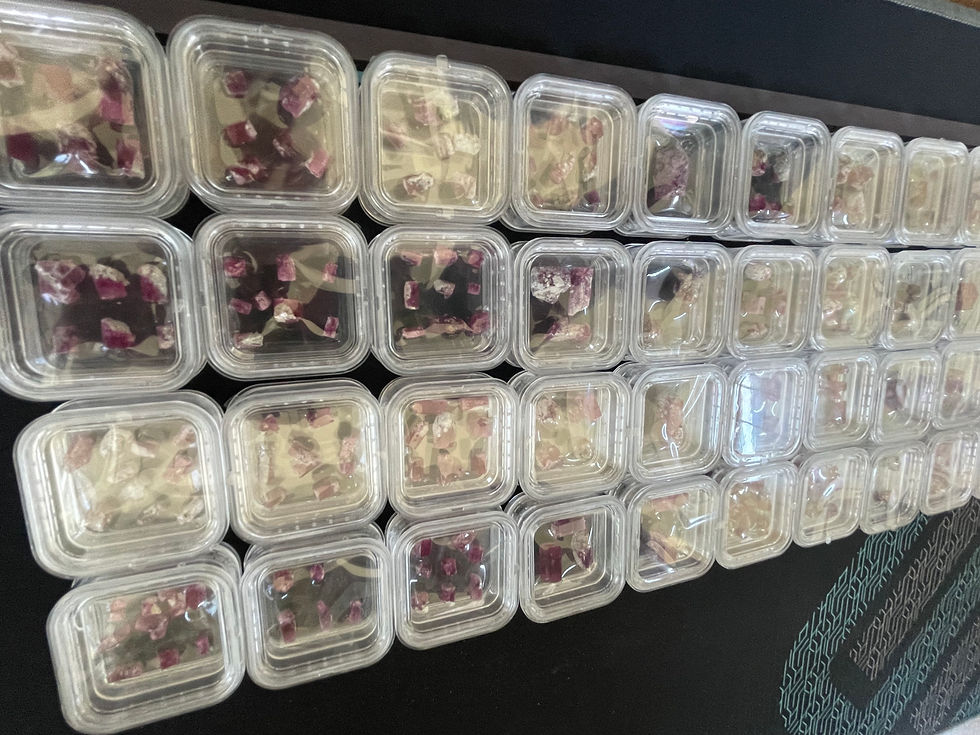
436.54 Carats
Designated Display Inventory
Allocated toward future BXBT Treasury reserve development initiatives.
Asset Class
Rare Red Beryl Display Inventory
Reserve Status
Treasury Designated
Integration Objective
Future Proof-of-Reserve Infrastructure
Reserve Backing Model
An illustrative framework showing how designated Red Beryl treasury inventory may support future BXBT Proof-of-Reserve infrastructure.
436.54 Carats
Designated Red Beryl Treasury Reserve
Equivalent to approximately 87.31 grams of Red Beryl.
$25,000 / gram
Illustrative market assumption
Valuations vary by specimen quality, certification, provenance, and collector demand.
$2.18M
Illustrative reserve value
Based on 87.31 grams × $25,000 per gram.
436.54 carats ÷ 5 = 87.31 grams
87.31 grams × $25,000 = approximately $2,182,700
Illustrative Reserve Mapping
If applied to 10,000,000 BXBT reserve tokens:
Illustrative value per BXBT = approximately $0.218
This model illustrates how designated Red Beryl treasury inventory may be mapped for future Proof-of-Reserve transparency.
This model is illustrative only. It does not represent a guaranteed token value, redemption right, collateral claim, or fixed asset-backing ratio. Future reserve structures remain subject to operational, legal, regulatory, and market considerations.
Estimated Collectible Market Context
Red Beryl is one of the world’s rarest and most undervalued gemstones relative to its scarcity. Geological restrictions significantly limit global production, ensuring that material of display and investment grade remains extremely limited in market availability. The designated BXBT Treasury Display Inventory consists primarily of premium display-grade material selected for long-term reserve alignment and ecosystem stability. This extreme scarcity underpins BXBT’s reserve thesis, positioning high-quality Red Beryl specimens as a cornerstone reference point for understanding the project’s long-term collectible market context. Red beryl is the rarest variety of the large beryl family whose better-known varieties include emerald and aquamarine. A cyclosilicate incorporating beryllium and aluminium, crystals of red beryl form in the hexagonal crystal system. These crystals rarely exceed two inches in length, and the largest crystal ever found weighed 54 carats. To put its rarity into perspective, only one red beryl is mined for every 150,000 diamonds, and a two carat red beryl is considered as rare as a 40 carat diamond. The largest known faceted red beryl is 8.0 carats.
Reserve Allocation
436.54 Carats
High-quality Red Beryl specimens have historically achieved substantial premium positioning within specialty collector markets due to their rarity.
Market Characteristics
Variable by specimen quality and collector demand